

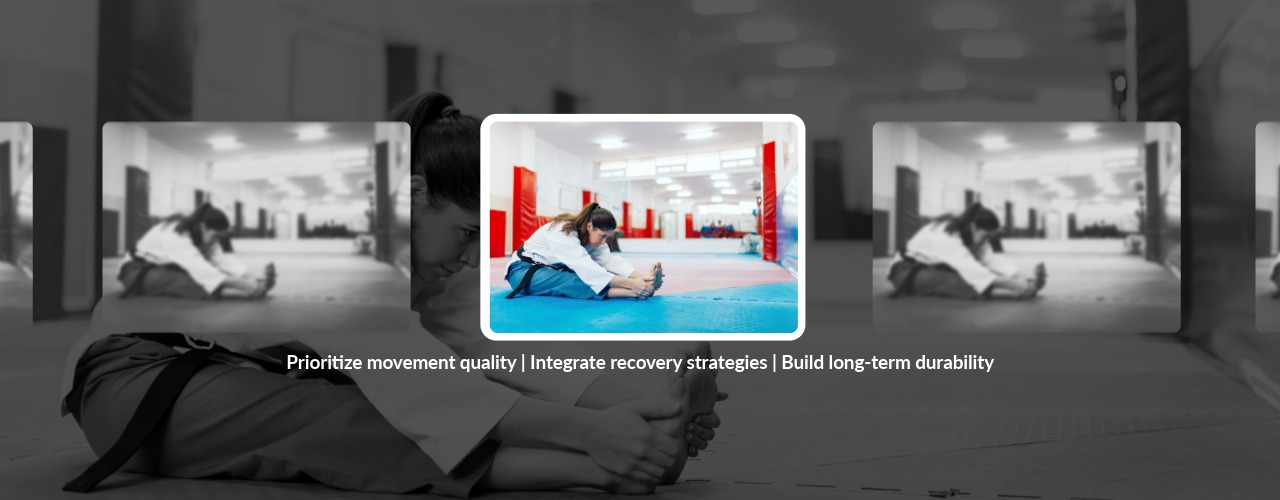
Adult athletes are redefining what it means to stay competitive, resilient, and strong, even as they get older. Whether returning to sport or pushing performance to a higher level, many are turning to strength and conditioning for adult athletes to stay ahead. The modern approach we take at Tork Sports Performancegoes beyond traditional workouts. It blends science, personalization, and long-term development to support performance while reducing the risk of setbacks.
Key Trends Shaping How Adult Athletes Train, Recover, and Perform
Smarter Training Through Data-Driven Insights
Training is becoming more precise and individualized. For example, our team uses movement analysis and performance metrics to guide decisions. Programs are then adjusted based on how the body responds, not just fixed plans.
This approach supports strength and conditioning for adult athletes by helping identify strengths, limitations, and progress in real time.
Try These Tips
- Pay attention to how your body responds to training loads
- Look for programs that track progress and adjust accordingly
Building Movement Quality Before Intensity
There is a growing focus on foundational movement patterns. Athletes are prioritizing control, coordination, and balance, helping to reduce compensations that can limit performance. Instead of jumping straight into high-intensity work, this approach ensures the body is prepared for higher demands.
Try These Tips
- Focus on consistency and quality over speed or load
- Proper movement sets the stage for long-term gains
Recovery as a Performance Strategy
Recovery is now treated as part of training, not an afterthought. Our team emphasizes sleep, hydration, and workload management as part of a comprehensive training program, and we take the time to show our clients how to balance stress and recovery cycles.
This shift supports sustainable strength and conditioning for adult athletes by helping the body adapt without overload.
Try These Tips
- Schedule recovery just like training sessions
- Monitor fatigue and adjust when needed
Longevity-Focused Training
Training at Tork Sports Performance is designed with long-term participation in mind. Our programs consider joint health, mobility, and tissue capacity, with the goal of helping you stay active and competitive for years. This thinking reflects a shift away from short-term performance spikes toward consistent progress over time.
Try These Tips
- Choose training that supports durability, not just intensity
- Think in terms of seasons and years, not just weeks
Sport-Specific Adaptation Without Over-Specialization
Our team will tailor training to the demands of specific sports, while also ensuring our clients maintain a broad base of skills. This balance supports performance while reducing repetitive strain.
Try These Tips
- Look for programs that blend general strength with sport demands
- Avoid doing only one type of movement repeatedly
Integration of Mobility and Stability Work
Mobility is no longer separate from strength training, and our team regularly integrates stability and control into performance programs, which supports efficient movement and force production. This approach helps athletes move better and generate power more effectively without unnecessary strain.
Try These Tips
- Prioritize joint health alongside strength development
- Consistency matters more than intensity in this area
Personalized Programming for Real-Life Schedules
Adult athletes often balance work, family, and training, so our programs are designed to fit real-world demands. Flexibility and adaptability are key components that help ensure strength and conditioning for adult athletes are more accessible and sustainable.
Try These Tips
- Choose a plan that fits your schedule, not one that overwhelms it
- Consistent effort over time leads to better results
Take the Next Step Toward Better Performance
Training has evolved, and so have the expectations for adult athletes. With the right approach, you can improve strength, move more efficiently, and stay active in the sports you enjoy.
If you are ready to explore a smarter, more personalized approach, contact Tork Sports Performance to learn how a tailored performance program can help you achieve your goals.



Leave a Reply