


If you want to improve how you move, compete, and recover, general workouts can only take you so far. True progress happens when your training reflects the exact demands of your sport. That is where sport-specific training becomes essential.
Whether you’re a competitive athlete or an active adult, tailored training at Tork Sports Performance helps bridge the gap between basic fitness and real performance.
Why Your Body Needs Training That Matches Your Sport
Every sport places unique demands on the body. Running, cutting, throwing, jumping, and reacting all require different combinations of strength, speed, coordination, and endurance. Training that’s too general can leave gaps in performance. For example:
- A runner may build strength but still struggle with stride efficiency
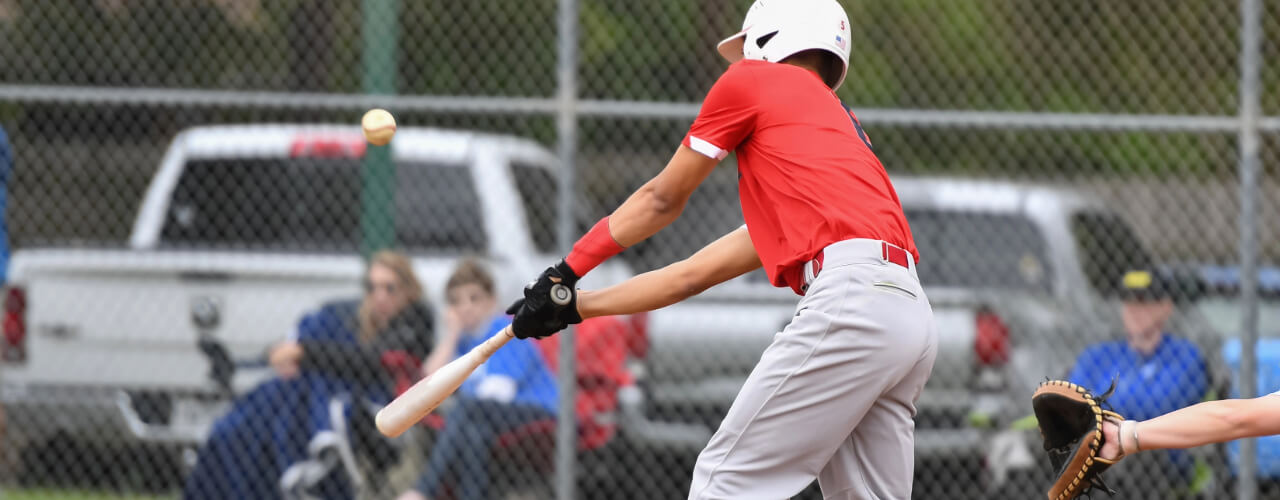
- A baseball player may lift weights but lack rotational power
- A tennis player may have endurance but poor lateral quickness
Sport-specific training focuses on preparing your body for the exact movements, speeds, and forces you experience during competition.
How Sport-Specific Training Targets Real Performance Demands
Sport-specific training works by breaking down your sport into key physical components and then building a program around them. These components often include:
- Movement patterns such as sprinting, pivoting, or jumping
- Energy systems required for short bursts or sustained effort
- Force production, like explosive power or controlled strength
- Coordination and timing for skill execution
Instead of training muscles in isolation, this method trains movements as a whole, leading to better carryover from training to actual performance.
This is one reason why we begin all of our programs with a detailed assessment. The Tork Sports Performance team will evaluate how you move, identify limitations, and design a plan that aligns with your sport and your goals.
The Science Behind Tailored Athletic Development
The body adapts specifically to the type of stress it is subjected to. This means that if you train in ways that closely match your sport, your improvements will transfer more effectively. It also explains why generic programs often plateau, while targeted training continues to drive progress.
Key principles behind this approach include:
Specificity
- Your body improves at what it practices. Training similar movements leads to better results in competition.
Progressive Overload
- Gradually increasing intensity ensures continued adaptation without excessive strain.
Neuromuscular Coordination
- Repeating sport-relevant patterns improves communication between your brain and muscles.
Injury Prevention
- Strengthening the exact structures used in your sport reduces the risk of overload and imbalance.
Real-World Examples of Sport-Specific Training in Action
To better understand how this works, here are a few examples of how training can be tailored:
Baseball or Softball Athletes
Training focuses on developing rotational power through the hips and core, which directly impacts throwing and hitting performance. Athletes also work on shoulder stability and arm care to handle repetitive stress and maintain long-term durability.
Soccer Players
Programs emphasize quick changes of direction, sprint acceleration, and deceleration control to match the game’s pace. Conditioning is also tailored to support repeated high-intensity efforts with short recovery periods.
Basketball Athletes
Training targets vertical power for jumping and proper landing mechanics to reduce stress on the knees and ankles. Athletes also improve reactive agility to support quick transitions, defensive movements, and game-speed decision making.
Tennis Players
Focus is placed on lateral movement and rapid directional changes to improve court coverage. Core strength and coordination are also developed to enhance stroke control, timing, and consistency during long matches.
Take the Next Step Toward Smarter Training
If you are serious about improving your performance, your training should reflect the demands of your sport. A personalized, data-informed approach can help you move better, feel stronger, and compete with more confidence.
Reach out to Tork Sports Performance to learn how a customized plan built around your sport can help you reach your full potential.

Leave a Reply