

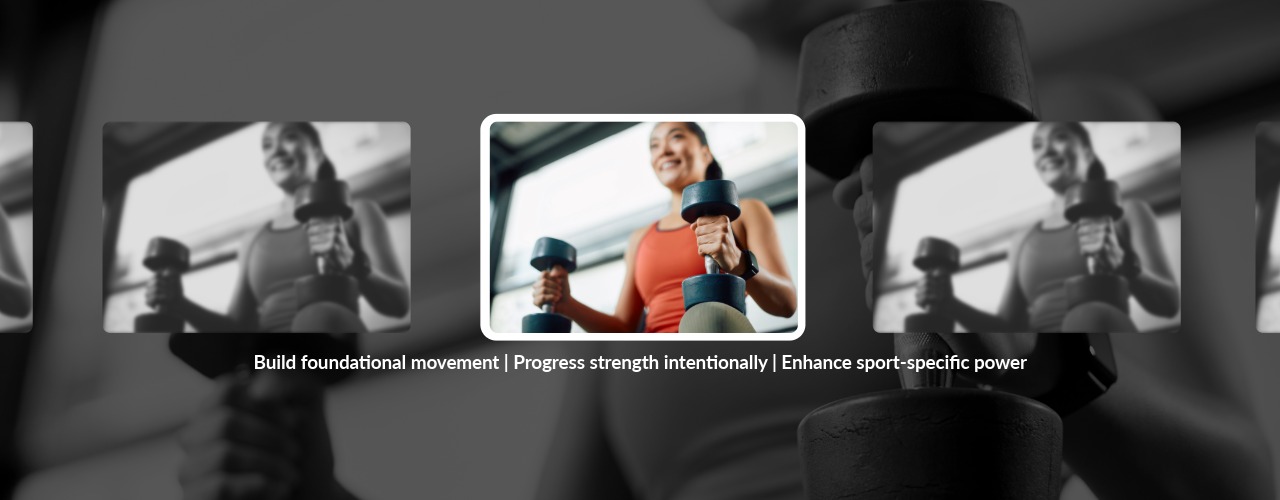
If you want to move faster, feel stronger, and stay consistent in your sport, you need to be strong. However, many athletes who visit Tork Sports Performance aren’t sure how to build strength in a way that works for their needs. That’s where we explain that strength training for sports is about building a body that can handle the demands of competition, recover efficiently, and perform under pressure. With the right approach, athletes at any level can translate strength gains into real performance improvements.
The Complete Step-by-Step Approach to Smarter Strength Training
Step 1: Define What Performance Means in Your Sport
Before starting, get clear on what you are training for:
- Different sports require different qualities, such as power, endurance, or stability
- Your position, level of play, and training history all matter
- Performance goals should reflect movement demands, not just general fitness
Thinking on these factors now will help guide the structure of your strength training program so it supports your actual performance needs.
Step 2: Build a Strong Movement Foundation
Quality movement comes before intensity. A solid foundation reduces unnecessary stress on joints and helps your body absorb and produce force more efficiently. Here are some tips to get you started:
- Focus on control, balance, and coordination
- Develop confidence in basic movement patterns
- Address mobility or stability limitations early
Step 3: Progress Gradually With Purpose
Progression is where adaptation happens, but it must be controlled. Athletes often plateau or get injured when progression is rushed. A steady approach supports long-term performance gains:
- Increase training demands over time, not all at once
- Allow your body time to adapt between sessions
- Avoid chasing fatigue, focus on consistent improvement
Step 4: Align Strength With Speed and Power Demands
Strength alone is not the goal. A good strength training for sports program should be focused on performance rather than just general conditioning:
- Stronger muscles should contribute to faster and more efficient movement
- Training should reflect how your sport is played
- Emphasize coordination between strength and timing
Step 5: Support Joint Health and Durability
Your joints and connective tissues need attention, too. Durability allows you to train and compete without frequent setbacks, which is key to progress. Remember:
- Strength training should improve joint stability and control
- Balanced development reduces overload in specific areas
- Consistency helps maintain tissue resilience over time
Step 6: Monitor and Adjust Based on Feedback
Your body provides useful information if you pay attention. No two athletes respond the same way, so flexibility in your plan is essential. Here are some tips to make the most of this process:
- Track how you feel during and after training
- Notice changes in performance, not just strength numbers
- Adjust training when needed to stay on track
Step 7: Stay Consistent With Strength Training
Consistency is the most important factor for results. Strength training for sports works best when it becomes part of your routine, not something you do occasionally:
- Regular training builds lasting adaptations
- Small improvements add up over time
- Skipping phases or stopping early limits progress
Step 8: Integrate Recovery Into Your Plan
Recovery is part of performance, not separate from it. Balancing effort with recovery allows you to train at a higher level over time. Keep these concepts in mind:
- Muscles and tissues adapt during rest periods
- Sleep, nutrition, and stress management all play a role
- Proper recovery supports long-term progress and reduces risk
Take the Next Step Toward Better Performance
Improving performance is not about doing more but about doing what matters most. With the right structure, guidance, and progression, strength training for sports can become a powerful tool to elevate how you move and compete.
If you are ready to take a more personalized approach, Tork Sports Performance offers expert guidance and individualized performance plans designed to help you train with purpose and confidence.



Leave a Reply