

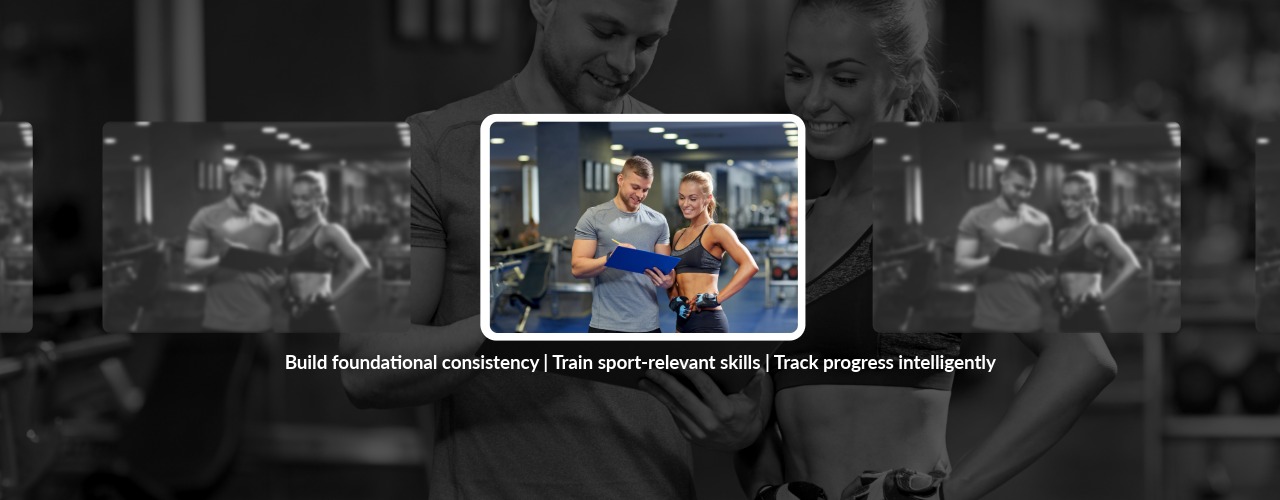
Stepping into a higher level of competition can feel exciting and intimidating at the same time. Whether you are joining a more competitive league or preparing for a tournament, improving your recreational competition performance requires more than just playing more games. It takes a structured, thoughtful approach that builds confidence, consistency, and physical readiness over time.
Below is a simple, step-by-step guide to help recreational athletes prepare for elevated competition with support from Tork Sports Performance.
Your Roadmap to Competing at a Higher Level
Step 1: Start With a Clear Performance Snapshot
Before making changes, it is important to understand where you currently stand. At Tork Sports Performance, this begins with a detailed assessment of how your body moves and performs. We’ll:
- Identify strengths that already support your sport
- Highlight limitations in mobility, strength, or coordination
- Review movement patterns that may impact efficiency or control
- Establish a baseline for recreational competition performance
This step helps remove guesswork and ensures your training has direction from day one.
Step 2: Build a Foundation That Supports Consistency
Consistency is what separates casual play from higher-level performance. Instead of jumping straight into advanced training, focus on building a reliable physical base. Your goal should be to help your body handle increased demands without feeling overwhelmed. You might do this by:
- Improving joint mobility for smoother, more controlled movement
- Developing strength that supports stability and endurance
- Enhancing coordination to reduce unnecessary effort during play
- Reinforcing movement patterns that transfer to your sport
Step 3: Develop Skills That Translate to Recreational Competition Performance
As competition increases, general fitness alone is not enough. Your training should reflect the actual demands of your sport. This approach helps bridge the gap between training and real play, making improvements more noticeable during games. You’ll want to:
- Focus on movement patterns that mirror game situations
- Improve reaction time and body control under pressure
- Build the ability to change direction efficiently
- Practice pacing and energy management
Step 4: Use Data to Guide Progress
Training without feedback can slow progress. Tracking performance helps ensure you are moving in the right direction.
At Tork Sports Performance, data-driven insights are used to refine your plan over time. We’ll:
- Monitor improvements in strength, speed, and control
- Adjust training intensity based on your response
- Identify areas that need more attention
- Track trends in recreational competition performance
This ongoing feedback loop allows for smarter decisions and more efficient progress.
Step 5: Prepare Your Body for Game Demands
Higher-level competition often means longer games, faster pace, and less recovery time. Preparation should include total body conditioning that supports these demands. Make sure to:
- Improve endurance so performance does not drop late in games
- Build resilience to handle repetitive movements
- Enhance recovery between practices and competitions
- Reduce risk of overuse or fatigue-related issues
Step 6: Strengthen Confidence Through Preparation
Confidence is not just mental. It is built through preparation and repeated success in training. At Tork Sports Performance, athletes are guided through a process that supports both physical and mental readiness, helping them feel prepared when it matters most. We help you:
- Practice under conditions that simulate competition
- Develop routines that improve focus and readiness
- Build trust in your body’s ability to perform
- Reduce uncertainty by knowing what to expect
Step 7: Adjust and Evolve Over Time
As your level of play improves, your training will evolve with you. This ensures continued growth and prevents plateaus. We help this happen by:
- Regularly reassessing your performance
- Updating your goals based on progress
- Modifying training to match new demands
- Continually refining recreational competition performance
Take the Next Step With Expert Guidance
Preparing for higher-level competition does not have to be overwhelming. With the right structure, support, and guidance, recreational athletes can make meaningful improvements in performance, consistency, and confidence.
Tork Sports Performance provides personalized, data-driven training designed to meet you where you are and help you progress safely and effectively. If you are ready to elevate your game, their team is here to guide you every step of the way.

Leave a Reply